AI-Powered UX/UI Audits: Intelligent Tools to Improve Usability and Maximize Your Web Conversion

In the fast-paced digital world of 2026, usability and user experience (UX/UI) are more critical than ever for the success of any website. However, conducting thorough and accurate audits can be a time-consuming and costly process. The good news is that artificial intelligence (AI) has emerged as a revolutionary tool, offering intelligent capabilities to optimize UX/UI audits. By leveraging AI tools, agencies and businesses can quickly identify weak points, improve usability, and ultimately maximize the conversion rates of their digital platforms.

The AI Revolution in UX/UI Audits

Traditionally, UX/UI audits relied heavily on human expertise, user testing, and manual data analysis. While these methods remain valuable, AI introduces a layer of unprecedented efficiency and accuracy. Machine Learning (ML) algorithms can process massive volumes of user interaction data (clicks, mouse movements, session recordings, heatmaps) in seconds, identifying patterns and anomalies that would be impossible for a human eye to detect.

To better understand the foundation of a good experience, we invite you to read about the importance of personalized web design, which lays the groundwork for more effective AI audits.

Intelligent AI Tools for UX/UI Optimization

1. User Behavior Pattern Analysis

AI tools can analyze session recordings and heatmaps to automatically detect behavioral patterns, such as areas of frustration, ignored elements, or inefficient conversion paths. Instead of reviewing hours of recordings, AI can pinpoint critical moments that require attention, allowing designers to act proactively. Good web design and UX/UI is indispensable for winning over customers, and AI refines it.

2. Predictive Identification of Usability Issues

Using predictive analysis, AI can foresee where users are likely to encounter difficulties or abandon a process, even before a large-scale problem occurs. This allows designers to implement preventive improvements, avoiding the loss of users and conversion opportunities. AI can simulate user interactions and highlight friction points in complex flows.

3. Content and Visual Design Optimization

AI can suggest content optimizations, such as ideal text length, typography readability, or call-to-action effectiveness. Additionally, it can analyze visual design to identify distracting elements, confusing hierarchies, or accessibility issues, proposing alternatives based on design principles and user interaction data.

4. Adaptive Interface Personalization

AI tools can take audits to a level of personalization. Instead of a one-size-fits-all approach, AI can assess how different user segments interact with the interface and suggest specific adaptations for each group, resulting in a more relevant and engaging experience. If you want your site to be fast, this also helps. Consult our article on Web Speed Optimization.

Benefits for Usability and Conversion

The integration of AI in UX/UI audits offers tangible benefits: a significant reduction in analysis time, increased accuracy in identifying issues, optimization of design team resources, and, most importantly, an increase in user satisfaction and conversion rates. By removing friction and creating smoother pathways, websites not only retain visitors but convert them into loyal customers. This is the ultimate goal of a professional web design that ensures digital success.

Challenges and Ethical Considerations

Despite its advantages, the use of AI in UX/UI is not without its challenges. It is crucial to address data privacy concerns, ensure transparency in AI algorithms, and avoid biases that could lead to exclusionary experiences. Human oversight and validation of AI findings are essential to maintain ethics and quality in the design process.

The Role of the UX/UI Designer in the Age of AI

Far from being replaced, UX/UI designers will see their roles evolve and become enriched. AI will become a powerful tool allowing them to focus on strategy, creativity, and human empathy, while data analysis and optimization tasks are automated. The designer of the future will be an expert in interpreting AI insights and transforming that data into truly exceptional and humanized experiences.

Strategic Conclusion: The Intelligent Future of the Web

In 2026, AI-powered UX/UI audits are not a luxury but a necessity for any business aspiring to digital excellence. By adopting these intelligent tools, companies can unravel the secrets of user behavior, optimize their interfaces with unprecedented precision, and transform visits into meaningful conversions. Adrian Alcala is ready to guide you through this transition, implementing the latest AI innovations to ensure your website not only meets but exceeds user expectations and achieves your business goals in the intelligent digital era.
Web 3.0 and Web Design: Preparing Your Site for the Decentralized Era (Blockchain, NFTs, and Immersive Experiences)

The evolution of the internet towards Web 3.0 is not just a technical conversation; it's a revolution redefining how we interact with content, digital ownership, and online experiences. By 2026, web design is on the cusp of a transformation driven by decentralized technologies like Blockchain, NFTs (Non-Fungible Tokens), and the growing demand for immersive experiences. Preparing your site for this era is not an option, but a necessity to remain relevant and competitive in the digital landscape.

Understanding Web 3.0: Decentralization and Digital Ownership

Web 3.0 represents the decentralized internet, where users have more control over their data and digital identity. Unlike Web 2.0, dominated by centralized platforms, Web 3.0 is built on technologies like Blockchain, which enable secure and transparent transactions, and the creation of unique digital assets. NFTs, for example, grant verifiable ownership of digital items, from art to virtual goods, opening new avenues for monetization and online interaction.

An adaptive and visionary web design is key to navigating these new frontiers. We invite you to reflect on the importance of personalized web design, which can be the foundation for these decentralized experiences.

The Impact of Blockchain and NFTs on UX/UI Design

1. Wallet Integration and Decentralized Authentication

El diseño web para la Web 3.0 requiere la integración fluida de wallets de criptomonedas (como MetaMask) para la autenticación y la interacción con aplicaciones descentralizadas (dApps). Esto significa repensar los flujos de inicio de sesión y las interfaces de usuario para incluir opciones “Conectar Wallet”. La experiencia debe ser tan intuitiva y segura como el inicio de sesión tradicional, pero con la promesa de una mayor privacidad y control del usuario.

2. NFT Galleries and Digital Marketplaces

For brands and creators, showcasing NFTs on a website is a golden opportunity. The design should include visually appealing galleries, with filtering and search functionalities, allowing users to explore and, in some cases, buy or sell digital assets directly from the site. Aesthetics and functionality come together to create an immersive and trustworthy marketplace experience. A solid foundation of web design and UX/UI is indispensable for winning over customers in this new space.

3. Immersive Experiences and Metaverse

Web 3.0 is often associated with the Metaverse and immersive 3D experiences. Web design expands to include interactive environments, augmented reality (AR), and virtual reality (VR) accessible directly from a browser. This demands new skills in 3D design, animation, and performance optimization to ensure these experiences are fluid and engaging. AI plays a crucial role in optimizing these experiences.

Web 3.0 Optimization: Performance and Security

1. Efficiency and Loading Speed

Despite the added complexity of Blockchain and dApps, loading speed remains a critical factor. Web 3.0 sites must be ultra-fast to maintain user attention and improve SEO. This involves optimizing code, reducing resource load, and using advanced compression techniques. Consult our article on Web Speed Optimization to ensure your site is prepared.

2. Decentralized Security

Security in Web 3.0 is a paramount concern. Design must incorporate best Blockchain security practices, educate users on protecting their wallets, and minimize vulnerability points. The inherent transparency of Blockchain can be an advantage, but it demands a design that clearly communicates operations to the user. A professional web design must prioritize security in this new era.

Ethical and Regulatory Challenges

Web 3.0 introduces new ethical and regulatory challenges related to digital ownership, data privacy on Blockchain, and asset interoperability. Designers must be aware of these implications and work to create experiences that are fair, transparent, and comply with emerging regulations. User education about risks and benefits is an integral part of responsible design in this era.

The Web Designer in Web 3.0: Innovation and Adaptation

The role of the web designer in Web 3.0 is evolving rapidly. New UX/UI skills are required for decentralized interfaces, basic knowledge of Blockchain and NFTs, and an open mindset towards experimenting with immersive experiences. Collaboration with Blockchain developers and security experts will be closer than ever. The designer becomes an architect of digital trust and freedom, creating bridges between complex technology and an intuitive user experience.

Strategic Conclusion: Leading the Decentralized Transformation

Web 3.0 is not the future; it is the evolving present. By 2026, websites that do not incorporate elements of decentralization and immersive experiences risk falling behind. Adrian Alcala is at the forefront of this transformation, offering web design services that prepare your business for the decentralized era, ensuring your online presence is innovative, secure, and ready for the unlimited opportunities of Blockchain and the Metaverse. It's time to embrace Web 3.0 and redefine digital success.

Micro-influencers and Web Design: Integrating Local Content Strategies for Budget-Conscious Brands

In the competitive digital landscape of 2026, big brands are not the only ones who can leverage the power of influencer marketing. Small and medium-sized businesses, especially those with a local focus, are discovering the immense value of micro-influencers. These content creators, with more niche but highly engaged audiences, offer an authenticity and connection that macro-influencers often cannot match. Integrating a micro-influencer strategy into your business's web design and content is a smart way to reach local customers effectively and on a much tighter budget.

The Rise of Micro-influencers: Why They Are Ideal for Local Businesses

Los micro-influencers suelen tener entre 1.000 y 100.000 seguidores, pero su fuerza radica en la proximidad y la confianza. Sus audiencias son más receptivas porque los perciben como personas “reales” y cercanas, con quienes comparten intereses y, a menudo, ubicación geográfica. Para un negocio de diseño web, esto se traduce en recomendaciones mucho más creíbles y un mayor retorno de la inversión. Cuando un micro-influencer local recomienda su servicio, el impacto en la comunidad es directo y medible. Además, su coste es significativamente menor, lo que los hace accesibles para estrategias de marketing local más ajustadas.

The importance of a well-structured web design is fundamental for any strategy, including influencer marketing. We invite you to read about the importance of personalized web design, which can resonate with the authentic message of a micro-influencer.

Web Design Adapted to Micro-influencer Strategies and Local Content

1. Optimized Landing Pages

For each micro-influencer campaign, dedicated landing pages are crucial. These pages should be designed to convert, with clear messaging, prominent calls to action (CTAs), and a design that reflects the influencer's aesthetic or the campaign's theme. AI in web design can help optimize these pages for a seamless user experience. Good UX/UI design is indispensable for winning over customers, and an effective landing page is your first line of defense. We remind you of the fusion between web design and UX/UI to maximize the impact of these pages.

2. User-Generated Content (UGC) Integration

Content generated by micro-influencers is, by definition, user-generated content. Your website should be prepared to showcase it. Implement sections where you can highlight video testimonials, photos of customers using your services (thanks to the influencer's recommendation), or direct reviews. This not only provides social proof but also keeps the content fresh and dynamic, an important factor for SEO.

3. Enhanced Local SEO Optimization

Micro-influencers are excellent for local SEO. Ensure your website is optimized for local searches: mention your geographical location, have an updated Google My Business profile, and use long-tail keywords that include your city or region. Campaigns with micro-influencers can generate valuable local mentions and links that reinforce your authority in your area. For a professional web design that ensures digital success, local SEO is an indispensable component.

4. Interactive and Multimedia Content

Visual content and videos are the language of influencers. Incorporate videos, image galleries, and interactive elements on your site that can be easily shared and complement the content created by your micro-influencers. A fast site is fundamental for this type of content. If you need to optimize speed, consult our article on Web Speed Optimization.

Creating a Micro-Influencer Strategy for Your Web Design Business

Identification and Collaboration

Start by identifying micro-influencers in your area or niche who already have a genuine affinity for web design or local businesses. Look for those whose audience aligns with your ideal client. Offer authentic collaborations, not just paid promotions, so the recommendation feels natural and trustworthy. This can include a service exchange, where you design or improve their website in exchange for promotion. The key is reciprocity and mutual value.

Measurement and Results Analysis

Implement tracking tools to measure the impact of your campaigns. Use UTM codes in links shared by influencers to track traffic, conversions, and ROI. Analyze which influencers and content types generate the best results. This data-driven feedback will allow you to refine your strategy and optimize future collaborations. Green SEO also cares about traffic efficiency, so measurement is essential.

Challenges and Considerations

While micro-influencers are a powerful tool, there are challenges. It is vital to set clear expectations, draft detailed contracts, and ensure the influencer understands your brand and message. Authenticity is crucial; a forced collaboration can damage the reputation of both parties. Transparency with the influencer's audience about the nature of the collaboration is also essential to maintain trust.

Strategic Conclusion: The Future of Local Marketing in Web Design

Micro-influencers, when intelligently integrated with a local SEO-oriented web design strategy, offer an unparalleled competitive advantage for agencies and businesses with limited budgets. They not only allow for targeted and highly engaged reach but also build credibility and community. In 2026, digital success hinges on the ability to connect authentically, and micro-influencers are the perfect bridge. Adrian Alcala helps you build that bridge, creating designs that not only attract but convert and retain your local clients through innovative strategies.

Impact of Green SEO on Web Design: Sustainability and Ranking Trends in 2026

La sostenibilidad se ha convertido en un pilar fundamental para las empresas en 2026, y el diseño web no es una excepción. El concepto de “Green SEO” o SEO Verde emerge como una estrategia crucial que no solo busca mejorar el posicionamiento en los motores de búsqueda, sino también reducir la huella de carbono digital de un sitio web. Este enfoque integral beneficia al planeta y a la vez impulsa el ranking y la reputación de marca.

What is Green SEO and Why is it Vital in 2026?

El Green SEO abarca un conjunto de prácticas de optimización web destinadas a hacer que un sitio sea más eficiente energéticamente y respetuoso con el medio ambiente. Esto incluye desde la elección de un hosting ecológico hasta la optimización de recursos (imágenes, scripts) y la reducción del consumo de energía del servidor. En 2026, los usuarios y los motores de búsqueda valoran cada vez más las empresas con un compromiso ambiental, lo que convierte al Green SEO en un factor diferenciador clave. Un sitio web más “verde” no solo es ético, sino también más rápido, lo que mejora directamente la experiencia del usuario y, por ende, el posicionamiento SEO.

To better understand the importance of a well-structured web design that serves as a foundation for these innovations, we invite you to read about the importance of personalized web design, a concept that sustainability reinforces to the fullest.

Key Green SEO Strategies in Web Design

1. Green Hosting

Choosing a hosting provider that uses renewable energy or offsets its carbon footprint is the first and one of the most impactful steps. Green hosting not only reduces your site's environmental impact but often translates to more modern and efficient servers, which can improve loading speed and reliability, crucial factors for SEO.

2. Resource Optimization and Web Performance

Reducing file sizes, optimizing images without losing quality, minifying CSS and JavaScript, and using CDNs (Content Delivery Networks) are practices that decrease the energy consumption needed to load your site. This is not only good for the environment but drastically improves Core Web Vitals and Load Speed, essential elements for SEO ranking in 2026.

3. Minimalist and Efficient Web Design

A clean design, with fewer unnecessary elements and an optimized code structure, reduces the amount of data the browser has to process. This not only aligns with modern UX/UI trends but also consumes less energy from the user's device, contributing to a more sustainable and faster site. The fusion between web design and UX/UI is indispensable for winning over customers, and a sustainable approach makes it even more powerful.

4. Efficient and Quality Content

Creating relevant, high-quality content that directly answers user questions reduces the need for additional clicks and prolonged searches, decreasing the energy consumption associated with user interaction. Well-structured and easy-to-consume content contributes to better retention and positive user signals, which Google values.

Impact on SEO Ranking and Brand Reputation

Search engines, led by Google, are evolving to increasingly consider user experience and sustainability. A fast, efficient website with a low environmental impact will not only be preferred by conscious users but is likely to receive an advantage in the ranking. Furthermore, communicating your commitment to Green SEO can strengthen brand image, attract a wider audience, and generate loyalty. This focus on efficiency is key to a professional web design that ensures digital success holistically.

Challenges and Opportunities of Green SEO

Implementing Green SEO can present initial challenges in terms of auditing and restructuring. However, the opportunities far outweigh the difficulties. Companies that invest in these practices will not only get ahead of future regulations and consumer expectations but will also benefit from increased operational efficiency, lower hosting costs, and better overall web performance. It is an investment that pays off in the long run, both for the business and for the planet.

The Future of Web Design: Sustainable and Optimized

In 2026, web design can no longer ignore its environmental responsibility. Integrating Green SEO from the conceptualization of a site is an essential practice for relevance, success, and long-term sustainability. Designers and agencies that adopt this vision will not only build more robust and efficient websites but will also lead the way towards a greener digital future.

Conclusion

Green SEO is not just a trend; it is a necessary evolution in web design and digital marketing. By focusing on energy efficiency and sustainability, companies can improve their search engine rankings, strengthen their reputation, and contribute to a more responsible digital future. At Adrian Alcala, we are committed to helping your business navigate this landscape, creating websites that are not only visually appealing and functional but also sustainable and optimized for success in 2026 and beyond.

AI-Powered Web Design: How Artificial Intelligence is Redefining User Experience in 2026

Artificial intelligence is transforming the web design landscape, offering new possibilities for creating personalized and intuitive user experiences. In this article, we will explore how AI is redefining every aspect of web design in 2026, from interface optimization to workflow automation.

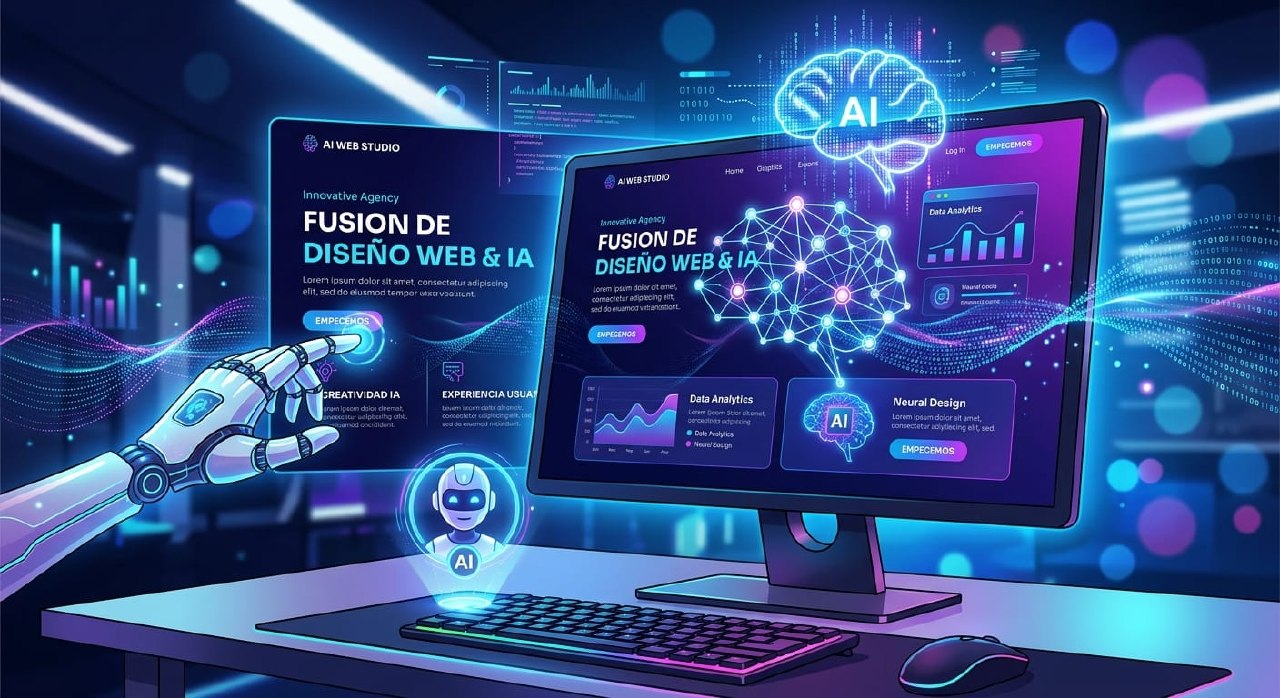
Below, the representative image of AI's impact on web design:

AI-Powered Web Design

AI as a Driver of Personalization and User Experience

At the heart of modern web design lies user experience (UX), and AI is taking this to a new level. Intelligent algorithms can now analyze visitor behavior patterns in real-time, from browsing history to purchase preferences and content interactions. This capability allows websites to adapt dynamically, displaying content, offers, and designs that are unique to each user. This not only improves relevance but also significantly increases retention and conversion rates.

To better understand the importance of a well-structured web design, we invite you to read about the importance of personalized web design.

UX/UI Optimization with Advanced Machine Learning

Machine Learning (ML), a branch of AI, is fundamental to optimizing both user experience (UX) and user interface (UI). Web designers no longer need to rely solely on assumptions or extensive manual A/B testing. ML-powered tools can perform multivariate testing at an unprecedented scale, identifying the most effective design elements, colors that generate the most interaction, or the most intuitive navigation flows. Furthermore, ML can predict user needs before they are expressed, offering proactive solutions and improving overall site usability. The fusion between web design and UX/UI is indispensable for winning over customers, and AI makes it even more powerful.

Automation in the Design Process: Efficiency and Precision

AI not only influences the final outcome but also the design process itself. AI tools are automating repetitive and time-consuming tasks, such as generating wireframes based on requirements, creating high-fidelity prototypes, optimizing code for performance and SEO, and even generating initial content. This frees up designers to focus on more strategic and creative aspects, such as conceptualization and innovation, elevating the overall quality of work and reducing delivery times. This focus on efficiency is key to a professional web design that ensures digital success.

Challenges and Ethical Considerations in the AI Era

While AI offers immense potential, it also presents challenges. Ethics in AI-driven design is a growing field. We must be aware of the biases that can be introduced into algorithms, user data privacy, and the impact on the designer job market. Transparency and responsibility in the use of AI are fundamental to building trust and ensuring that technology serves the interests of users and society.

The Future of the Web Designer: Collaboration and Augmented Creativity

Contrary to popular belief, AI will not replace web designers but transform them. The designer of the future will be an AI collaborator, using its tools to enhance creativity, optimize workflows, and create more sophisticated solutions. The ability to understand and direct AI, as well as to focus on strategy and human vision, will be more valuable than ever.

Conclusion

Artificial intelligence is not a passing trend in web design, but a transformative force. In 2026, designers and agencies that embrace AI will not only optimize their processes and improve user experience but also position themselves at the forefront of digital innovation. The future of web design is intelligent, personal, and collaborative.

Find us in Dénia

Need help?

Let's make it faster, now you can consult us via WhatsApp or by scheduling a meeting!

My name is Adrián Alcalá, an expert in website design and custom automations based on WordPress for over 8 years.

SOCIAL MEDIA

IG: @adrianalcala LINKEDIN: @adrianalcala

Copyright adrianalcala 2024 All Rights Reserved